Key Takeaways
- The average cost of a Sloughi puppy ranges from $1,000 to $2,500, influenced by factors like breeder reputation and lineage.
- Sloughis are moderately shedding dogs with minimal grooming needs, making them relatively low-maintenance.
- Training a Sloughi can be challenging due to their independent nature; positive reinforcement and early socialization are essential for success.
- This breed is known for its gentle temperament, making Sloughis great family dogs when their exercise and socialization needs are met.
- Understanding the differences between Sloughis and similar breeds, like the Saluki and Greyhound, can help potential owners make informed decisions.
Welcome to our comprehensive guide on the Sloughi, a fascinating dog breed known for its elegance and unique characteristics. In this article, we will explore everything you need to know about the Sloughi, from understanding the cost of acquiring a Sloughi puppy to insights on their temperament and family compatibility. Have you ever wondered how to pronounce Sloughi? Or what sets the Sloughi apart from similar breeds like the Saluki? We’ll delve into these questions and more, including shedding patterns, training challenges, and whether Sloughis make good family dogs. By the end of this article, you will have a well-rounded understanding of the Sloughi dog breed and be better equipped to decide if this breed is the right fit for your family. Let’s embark on this journey to uncover the beauty and intricacies of the Sloughi!
How much does a Sloughi dog cost?
The cost of a Sloughi dog typically ranges from $1,000 to $2,500, depending on various factors such as the dog’s lineage, breeder reputation, and geographical location. Understanding these price variations is essential for prospective owners looking to welcome this unique dog breed into their homes.
Understanding Sloughi price variations
Several key factors influence the price of Sloughi puppies:
- Breeder Reputation: Purchasing from a reputable breeder who prioritizes health testing and ethical breeding practices may result in higher costs but ensures a healthier dog. It is crucial to research breeders and verify their credentials through organizations like the American Kennel Club (AKC).
- Lineage and Pedigree: Sloughis with champion bloodlines or show potential often command higher prices. These dogs may come with documentation proving their lineage, which can be an important consideration for prospective owners.
- Location: Prices can vary significantly based on the region. In areas where Sloughis are less common, prices may be higher due to demand and limited availability.
- Initial Costs vs. Long-term Investment: Beyond the initial purchase price, potential owners should consider ongoing expenses such as food, grooming, veterinary care, and training. Sloughis are known for their unique needs, including regular exercise and mental stimulation, which can influence overall costs.
- Adoption Options: Adopting from a rescue organization can be a more affordable option, typically ranging from $200 to $500. This route not only saves money but also provides a home to a dog in need.
For more detailed insights into the costs associated with owning a Sloughi, prospective owners can refer to resources from the AKC and breed-specific organizations.
Factors influencing the cost of Sloughi puppies
When considering the purchase of a Sloughi puppy, it is essential to evaluate the following factors that can significantly impact the overall cost:
- Health Testing and Certifications: Responsible breeders conduct health tests to screen for genetic conditions common in the Sloughi breed. These tests can add to the cost but are vital for ensuring the long-term health of your puppy.
- Market Demand: The popularity of the Sloughi breed can influence pricing. In regions where Sloughis are gaining popularity, prices may rise due to increased demand.
- Age of the Puppy: Younger puppies typically cost more than older dogs. However, older Sloughis may come with the advantage of some initial training and socialization.
- Breeder Location: Costs may vary based on the breeder’s location. For example, breeders in urban areas may charge more due to higher living costs compared to those in rural regions.
Understanding these factors can help potential owners make informed decisions when considering the financial commitment of bringing a Sloughi into their lives.

How do you pronounce Sloughi?
The correct pronunciation of Sloughi
The pronunciation of “Sloughi” can be challenging for those unfamiliar with this dog breed. The name is composed of two syllables and is pronounced as SLOO-ghee. This breed, originating from North Africa, is known for its grace and speed, often referred to as the Arabian Greyhound. Understanding the correct pronunciation is essential for dog enthusiasts and breeders alike, as it reflects respect for the breed’s heritage. For further insights into dog breeds and their characteristics, resources such as the American Kennel Club (AKC) provide comprehensive information.
Common mispronunciations and their origins
Mispronunciations of “Sloughi” often stem from the unfamiliarity with its unique phonetic structure. Some may mistakenly pronounce it as SLU-hee or SLUFF-ee, which can lead to confusion among dog lovers and breeders. These variations typically arise from regional accents or a lack of exposure to the breed. Understanding the correct pronunciation not only enhances communication but also fosters a deeper appreciation for the Sloughi dog breed and its rich history. For those interested in exploring more about dog breeds, the AKC dog breeds overview is a valuable resource.
What is the difference between a Sloughi and a Saluki?
The Sloughi and Saluki are both breeds of sighthounds, but they have distinct differences in terms of origin, appearance, and temperament. Understanding these differences is crucial for potential dog owners looking to choose the right breed for their lifestyle.
Sloughi vs Saluki: Key characteristics
- Origin:
- Sloughi: This breed originates from North Africa, particularly Morocco, where they have been used for hunting game in the desert. They are recognized for their agility and speed in open terrains.
- Saluki: The Saluki has roots in the Middle East, particularly in countries like Egypt and Saudi Arabia. They are one of the oldest dog breeds, historically bred for hunting large game such as gazelles.
- Appearance:
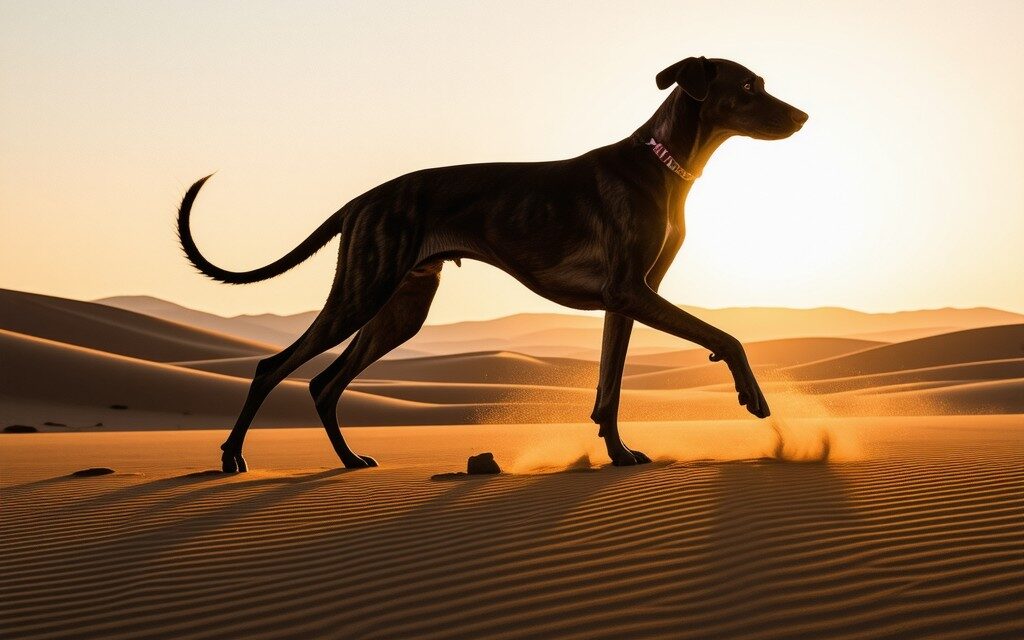
- Sloughi: Sloughis have a lean, athletic build with a short, smooth coat that comes in various colors, including fawn, brindle, and black. They typically have a narrow head and long legs, which contribute to their speed.
- Saluki: Salukis are also slender but have a more refined appearance with a longer neck and a slightly more pronounced curve in their back. Their coat can be smooth or feathered, often featuring distinctive feathering on their ears and tails, with colors ranging from white to tan and even spotted patterns.
- Temperament:
- Sloughi: Known for their loyalty and independence, Sloughis can be reserved with strangers but are affectionate with their families. They require regular exercise and mental stimulation to thrive.
- Saluki: Salukis are gentle and calm, often forming strong bonds with their owners. They are known for their intelligence and can be somewhat aloof, requiring patient training and socialization.
- Health and Lifespan:
- Both breeds are generally healthy, but they can be prone to specific health issues. Sloughis may face hip dysplasia and certain genetic disorders, while Salukis can be susceptible to certain cancers. The average lifespan for both breeds is around 12 to 14 years.
Comparing Sloughi and Saluki temperaments
When it comes to temperament, the Sloughi and Saluki exhibit unique traits that can influence their compatibility with families and individuals. The Sloughi is known for its loyalty and independence, making it a devoted companion. However, they may be reserved with strangers, requiring socialization from an early age. Regular exercise and mental stimulation are essential for their well-being.
In contrast, the Saluki is characterized by its gentle and calm demeanor. They often form strong bonds with their owners and are known for their intelligence. While they can be aloof, they thrive on patient training and socialization. Understanding these temperament differences can help potential owners decide which breed aligns better with their lifestyle and family dynamics.
Do Sloughi Dogs Shed?
Sloughi dogs, known for their elegant appearance and athletic build, do shed, but their shedding is considered moderate. This breed has a short, smooth coat that requires minimal grooming compared to other breeds. Here are key points regarding Sloughi shedding and care:
- Shedding Level: Sloughis experience medium shedding throughout the year, with increased shedding during seasonal changes, particularly in spring and fall. Regular brushing can help manage loose hair.
- Grooming Needs: While Sloughis do not require extensive grooming, routine care is essential. This includes:
- Bathing: Bathe your Sloughi as needed, typically every few months or when they become particularly dirty.
- Nail Trimming: Regularly trim their nails to prevent overgrowth and discomfort.
- Dental Care: Brush their teeth several times a week to maintain oral health.
- Hypoallergenic Status: Sloughis are not considered hypoallergenic dogs. Individuals with allergies may still react to them, so it’s important to spend time with the breed before making a decision.
- Health Considerations: Regular veterinary check-ups are crucial to monitor for any breed-specific health issues, such as hip dysplasia or certain skin conditions that could affect shedding.
- Lifestyle Compatibility: Sloughis thrive in active households and require regular exercise. Engaging in physical activities can also help reduce stress-related shedding.
For more detailed insights on dog grooming and care, you may refer to resources from the American Kennel Club and other reputable pet care websites.
Grooming Tips for Managing Sloughi Shedding
To effectively manage shedding in Sloughi dogs, consider the following grooming tips:
- Regular Brushing: Brush your Sloughi at least once a week to remove loose hair and reduce shedding around the house.
- Use the Right Tools: A rubber grooming mitt or a soft-bristle brush works well for their short coat, helping to capture loose fur without irritating the skin.
- Monitor Skin Health: Keep an eye on any signs of skin sloughing or irritation, as this can indicate underlying health issues that may need veterinary attention.
- Maintain a Healthy Diet: A balanced diet rich in omega fatty acids can promote healthy skin and coat, potentially reducing shedding.
By following these grooming practices, you can help keep your Sloughi looking its best while minimizing shedding in your home.
Are Sloughis Hard to Train?
The Sloughi, often referred to as the Arabian Greyhound, is a breed known for its intelligence, loyalty, and unique temperament. Training a Sloughi can present challenges due to their independent nature and sensitivity. Here are key points to consider when training this breed:
Training Challenges with Sloughis
- Understanding Their Temperament: Sloughis are naturally aloof and may not always seek human approval. This can make them appear stubborn during training sessions. It’s essential to approach training with patience and understanding, recognizing that they thrive in a calm and supportive environment.
- Positive Reinforcement: Utilizing positive reinforcement techniques, such as treats and praise, is crucial. Harsh training methods can lead to fear and resistance, making it counterproductive. According to the American Kennel Club, Sloughis respond best to gentle guidance and encouragement.
- Exercise Needs: Sloughis require ample physical activity to maintain their health and happiness. Regular exercise not only helps in training but also channels their energy positively. Engaging in activities like lure coursing or long walks can enhance their focus during training sessions.
Effective Training Techniques for Sloughi Dogs
- Socialization: Early socialization is vital for Sloughis. Exposing them to various environments, people, and other animals can help reduce their aloofness and improve their adaptability. This exposure should be gradual and positive to foster confidence.
- Consistency and Routine: Establishing a consistent training routine helps Sloughis understand expectations. Short, frequent training sessions are more effective than long, infrequent ones. This aligns with findings from canine behaviorists who emphasize the importance of routine in dog training.
- Professional Guidance: For owners who may struggle with training, seeking help from a professional dog trainer experienced with sighthounds can be beneficial. They can provide tailored strategies that respect the Sloughi’s unique characteristics.
In summary, while Sloughis can be challenging to train due to their independent and sensitive nature, employing positive reinforcement, ensuring adequate exercise, and providing early socialization can lead to successful training outcomes. For more detailed insights on dog training techniques, resources from the American Kennel Club and professional dog trainers can offer valuable guidance.
Are Sloughis Good Family Dogs?
Sloughis are known for their gentle, affectionate, and loving nature, making them suitable family dogs. Here are key points to consider regarding their compatibility with family life:
Sloughi Temperament and Family Compatibility
- Temperament: Sloughis are typically calm and friendly, which allows them to bond well with children. Their gentle demeanor makes them less likely to react aggressively, promoting a safe environment for kids.
- Socialization: Early socialization is crucial. Sloughis tend to get along well with other dogs, especially if they are raised together. Introducing them to various environments and experiences can enhance their adaptability and reduce anxiety.
- Exercise Needs: As a breed originally used for hunting, Sloughis require regular exercise. Daily walks and playtime are essential to keep them physically and mentally stimulated. Engaging in activities like agility training can also strengthen the bond between the dog and family members.
Assessing Sloughi Personality Traits for Family Life
- Living Space: Sloughis thrive in homes with ample space to roam. While they can adapt to apartment living, access to a secure yard is beneficial for their exercise needs.
- Training: Consistent and positive reinforcement training methods work best with Sloughis. They are intelligent but can be independent, so patience and persistence are key. Enrolling in obedience classes can be a great way to ensure they are well-behaved family members.
- Health Considerations: Regular veterinary check-ups are important to monitor their health. Sloughis are generally healthy, but like all breeds, they can be prone to certain conditions. Awareness of these can help in early detection and treatment.
In conclusion, Sloughis can make excellent family dogs when their needs for socialization, exercise, and training are met. Their affectionate nature and compatibility with children make them a loving addition to any household. For further insights on dog training and family integration, resources from the American Kennel Club and the Humane Society can provide valuable information.
Sloughi vs Greyhound: Which breed is right for you?
When considering a dog breed, understanding the differences between the Sloughi and the Greyhound is crucial. Both breeds are known for their speed and elegance, but they have distinct characteristics that may influence your choice.
Comparing Sloughi and Greyhound characteristics
The Sloughi is a North African breed, often recognized for its graceful appearance and athletic build. They typically weigh between 40 to 60 pounds and stand about 24 to 29 inches tall at the shoulder. Their short, smooth coat requires minimal grooming, making them relatively low-maintenance in terms of upkeep.
In contrast, the Greyhound, known for its racing background, is slightly larger, weighing between 60 to 70 pounds and standing around 28 to 30 inches tall. Greyhounds have a similar short coat but may require more attention to their skin health, as they can be prone to issues like sloughing skin due to their thin skin and lack of body fat.
Both breeds are known for their speed, with Greyhounds being the fastest dog breed, capable of reaching speeds up to 45 mph. Sloughis, while not as fast, are still incredibly agile and can reach impressive speeds, making them excellent companions for active families.
Health considerations for Sloughi and Greyhound breeds
When evaluating health considerations, both breeds have their unique challenges. The Sloughi is generally healthy but can be susceptible to certain genetic conditions, including hip dysplasia and autoimmune disorders. Regular veterinary check-ups and a balanced diet are essential for maintaining their health.
The Greyhound, while also a generally healthy breed, can face issues such as bloat and heart conditions. Their thin skin makes them more vulnerable to injuries and sloughing wounds, which require prompt attention. It’s important to monitor their health closely and provide them with a safe environment to prevent injuries.
Ultimately, the choice between a Sloughi and a Greyhound should be based on your lifestyle, living situation, and personal preferences. Both breeds can make wonderful companions, but understanding their specific needs and characteristics will help you make an informed decision.