Key Takeaways
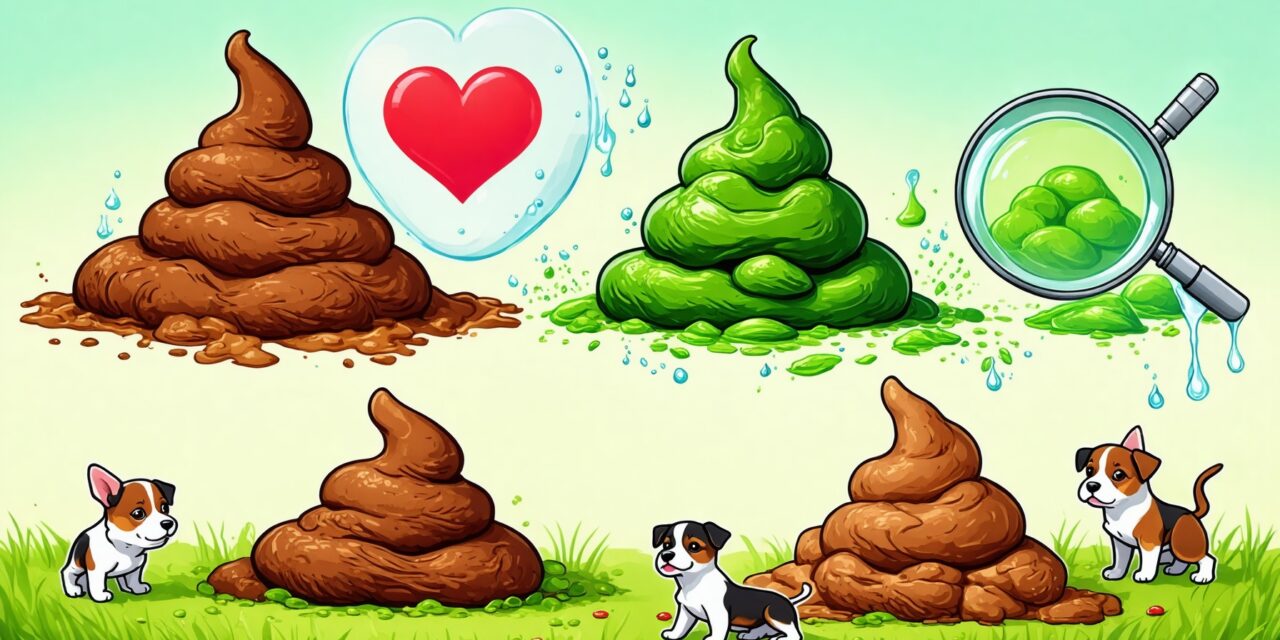
- Healthy Puppy Poop: Normal puppy poop should be brown, well-formed, and moist. A balanced diet is key for maintaining healthy stools.
- Signs of Concern: Watch for abnormal colors (e.g., black, red, green) or consistency (soft, runny) that may indicate health issues requiring veterinary attention.
- Monitoring Frequency: Puppies typically poop several times a day; sudden changes in frequency can signal digestive problems.
- Hydration Matters: Ensure your puppy has access to fresh water to prevent dehydration and support healthy stool consistency.
- Effective Training: Establish a routine and use positive reinforcement to prevent accidents and encourage outdoor potty habits.
Welcome to our comprehensive guide on puppy poop, where we delve into the fascinating world of your furry friend’s bathroom habits. Understanding what constitutes healthy and unhealthy puppy poop is crucial for any new puppy owner. In this article, we will explore the characteristics of normal puppy poop, including a detailed puppy poop color chart that helps you identify signs of health. We’ll also discuss when puppies should transition to solid poop, what to do if you notice concerning signs like puppy pooping blood, and how to manage common issues such as puppy pooping in the crate. Additionally, we’ll provide insights into identifying runny or soft puppy poop, along with effective training techniques to address accidents in the house. By the end of this article, you’ll be equipped with the knowledge to ensure your puppy’s digestive health is on track, making your journey as a pet parent smoother and more enjoyable.
What should normal puppy poop look like?
Understanding the Characteristics of Healthy Puppy Poop
Normal puppy poop should generally be brown, well-formed, and moist but not runny. The consistency can vary slightly depending on the puppy’s age, diet, and overall health. Here’s a more detailed breakdown of what to expect:
- Color:
- Brown: This is the ideal color, indicating a healthy digestive system.
- Yellowish-Brown: This can be normal but should be monitored. If it persists, consult a veterinarian.
- Green: May indicate a diet high in grass or a potential health issue.
- Black or Red: These colors can signify bleeding in the gastrointestinal tract and require immediate veterinary attention.
- Consistency:
- Well-formed: Should hold its shape and be easy to pick up.
- Soft or Runny: This can indicate dietary issues, stress, or parasites. If it continues for more than a day, seek veterinary advice.
- Frequency:
Puppies typically poop several times a day, especially after meals. A sudden change in frequency can indicate a problem.
- Diet Impact:
A balanced diet is crucial for healthy stool. High-quality puppy food will generally lead to better stool quality. Sudden changes in diet can cause digestive upset.
- Hydration:
Ensure your puppy has access to fresh water, as dehydration can lead to hard, dry stools.
If you notice any abnormalities in your puppy’s poop, such as persistent diarrhea, unusual colors, or changes in frequency, it is essential to consult a veterinarian for a thorough evaluation. Regular monitoring of your puppy’s stool can help catch potential health issues early, ensuring a happy and healthy life for your furry friend.
Puppy Poop Color Chart: What Colors Indicate Health?
Understanding the colors of puppy poop is vital for assessing your puppy’s health. Here’s a quick reference guide:
- Brown: Healthy and normal.
- Yellowish-Brown: Monitor for persistence; consult a vet if it continues.
- Green: Possible dietary issues or health concerns.
- Black: Indicates potential bleeding; seek immediate veterinary care.
- Red: Also a sign of bleeding; requires urgent attention.
By keeping an eye on your puppy’s poop color, you can better understand their health and well-being. For more detailed information on puppy care, visit our blog for expert tips and advice.
When should puppies have solid poop?
Puppies typically begin to have solid poop around the age of four weeks, coinciding with the weaning process from their mother’s milk. During this transitional period, their digestive systems start adapting to solid food, which is crucial for developing healthy bowel movements.
The Transition to Solid Poop: What to Expect
1. Weaning Phase (4 Weeks): At around four weeks, puppies are usually weaned off their mother’s milk. This is when they start consuming solid food, which contains more fiber. Fiber is essential as it helps bulk up their stool, leading to more solid bowel movements.
2. Diet Transition: As puppies transition to solid food, it’s important to choose high-quality puppy food that is specifically formulated for their nutritional needs. Look for foods rich in protein and fiber to support healthy digestion.
3. Monitoring Stool Quality: After weaning, you should monitor your puppy’s stool consistency. Healthy puppy poop should be firm but not hard, and it should be easy to pick up. If the stool remains loose or watery, it may indicate dietary issues or health concerns.
4. Hydration: Ensure your puppy has access to fresh water at all times. Proper hydration is vital for digestive health and can affect stool consistency.
5. Veterinary Consultation: If your puppy continues to have inconsistent stool after the weaning phase, consult a veterinarian. They can rule out any underlying health issues and provide dietary recommendations.
In summary, puppies generally achieve solid poop by four weeks of age as they transition to solid food. Monitoring their diet and stool quality is essential for their overall health. For more detailed guidance on puppy care and nutrition, refer to resources from the American Kennel Club and veterinary health organizations.
Healthy Puppy Poop Chart: A Guide for New Puppy Owners
Understanding what constitutes healthy puppy poop is vital for new puppy owners. Here’s a quick reference chart to help you identify the characteristics of healthy stool:
- Color: Light brown to dark brown is ideal. Be cautious of puppy poop black, green slimy, or any unusual colors.
- Consistency: Firm but not hard; should hold shape when picked up.
- Smell: Mild odor; overly foul-smelling poop may indicate digestive issues.
- Frequency: Puppies typically poop several times a day, but if your puppy is puppy pooping a lot or puppy poops constantly, it could be a sign of dietary problems.
By keeping an eye on these factors, you can ensure your puppy’s digestive health is on track. If you notice any concerning signs, such as puppy pooping blood or puppy poop mucus, seek veterinary advice promptly.
Do Puppies Normally Have Runny Poop?
Understanding the reasons behind runny puppy poop is crucial for any new puppy owner. While it can be a common occurrence, especially during the early stages of development, it’s essential to identify the underlying causes to ensure your puppy’s health and well-being.
Identifying Causes of Runny Puppy Poop
Puppies can experience runny poop, commonly referred to as diarrhea, which can be a normal occurrence during their early development. Here are key points to consider regarding puppy diarrhea:
- Normal Stool Consistency: When puppies are on a milk diet, their stools are typically softer. As they transition to solid puppy food, their stools should gradually firm up.
- Common Causes of Diarrhea:
- Dietary Changes: Sudden changes in diet can upset a puppy’s digestive system, leading to diarrhea. It’s essential to introduce new foods gradually over a week.
- Infections: Viral or bacterial infections, such as parvovirus or salmonella, can cause severe diarrhea. Vaccination is crucial to prevent these infections.
- Parasites: Intestinal parasites like roundworms and giardia can lead to diarrhea. Regular deworming and fecal checks by a veterinarian are recommended.
- Food Intolerances: Some puppies may have sensitivities or allergies to certain ingredients in their food, resulting in gastrointestinal upset.
- Symptoms to Monitor: In addition to runny stools, watch for other symptoms such as vomiting, lethargy, loss of appetite, or blood in the stool. If these symptoms occur, consult a veterinarian promptly.
- Treatment Options:
- Hydration: Ensure your puppy stays hydrated, as diarrhea can lead to dehydration. Offer fresh water and consider electrolyte solutions designed for pets.
- Dietary Adjustments: Temporarily switching to a bland diet, such as boiled chicken and rice, can help settle the stomach.
- Veterinary Care: If diarrhea persists for more than 24 hours or is accompanied by severe symptoms, seek veterinary advice for appropriate treatment.
- Preventive Measures: To minimize the risk of diarrhea, maintain a consistent diet, ensure vaccinations are up to date, and practice good hygiene by cleaning up after your puppy promptly.
For further reading on puppy health and nutrition, consult resources from the American Kennel Club and the American Veterinary Medical Association, which provide comprehensive guidelines on pet care and wellness.
Puppy Poop Soft and Smelly: When to Be Concerned
While soft puppy poop can be a normal part of their development, certain signs indicate that it may be time to consult a veterinarian. Here are some key indicators:
- Consistency and Frequency: If your puppy is pooping a lot and the poop is consistently soft or watery, it may signal an underlying issue.
- Color Changes: Pay attention to the color of your puppy’s poop. For instance, puppy poop black or puppy poop green slimy can indicate serious health concerns that require immediate veterinary attention.
- Presence of Mucus or Blood: If you notice puppy pooping blood or mucus in the stool, this is a red flag and should prompt an immediate visit to the vet.
- Behavioral Changes: If your puppy is lethargic, refuses to eat, or shows signs of distress, these symptoms combined with soft poop warrant a veterinary check-up.
Monitoring your puppy’s poop is an essential part of responsible pet ownership. By staying vigilant and informed, you can help ensure your puppy remains healthy and happy.
What Should I Worry About My Puppy’s Poop?
Monitoring your puppy’s poop is essential for ensuring their health and well-being. While it’s normal for puppies to have varying stool characteristics, certain signs can indicate underlying issues that require attention. Here’s what to look out for:
Common Issues: Puppy Pooping Blood and Other Signs of Concern
One of the most alarming signs you might encounter is puppy pooping blood. This can manifest as bright red streaks or dark, tar-like stool, both of which are serious and warrant immediate veterinary attention. Other concerning signs include:
- Puppy poop soft and smelly: If your puppy’s stool is consistently soft or has an unusually foul odor, it may indicate digestive issues or infections.
- Puppy poop runny or watery: Diarrhea lasting more than 24 hours can signal dietary indiscretion, infections, or parasites.
- Puppy poop with mucus: The presence of mucus can indicate inflammation in the intestines and should be evaluated by a vet.
- Puppy poop green slimy: This can be a sign of dietary issues or infections and should be monitored closely.
Additionally, if your puppy is puppy pooping a lot or experiencing changes in appetite or behavior, these could also be signs of health concerns. Regularly checking your puppy’s stool can help you catch potential issues early.
What to Do When Puppy Poops in House: Tips for Training
Accidents happen, especially during the early stages of puppy training. If you find yourself dealing with puppy pooping in house, here are some effective strategies to help manage the situation:
- Establish a Routine: Take your puppy outside frequently, especially after meals, playtime, or naps. Consistency helps them learn when and where to go.
- Positive Reinforcement: Reward your puppy with treats and praise immediately after they poop outside. This encourages them to repeat the behavior.
- Monitor Their Diet: Ensure your puppy is on a balanced diet to promote healthy digestion. Sudden changes can lead to accidents.
- Use Crate Training: If your puppy is puppy pooping in crate, ensure the crate is appropriately sized. Puppies typically avoid soiling their sleeping area.
- Clean Accidents Thoroughly: Use enzymatic cleaners to remove odors that might encourage your puppy to return to the same spot.
By understanding the signs of concern related to your puppy’s poop and implementing effective training strategies, you can ensure a healthier and happier environment for both you and your furry friend. For more tips on pet care, check out the Blog Category on Wellness Coaching for Life.
What is normal poop for a puppy?
Normal poop for a puppy can vary based on several factors, including age, diet, and overall health. Here are key points to consider:
- Color: Healthy puppy stool typically ranges from light brown to dark brown. A greenish tint may indicate dietary issues, while black or red stool could signal bleeding and requires immediate veterinary attention.
- Consistency: Normal puppy poop should be firm but not hard, resembling a log shape. It should hold its shape when picked up. Watery or loose stools may indicate diarrhea, which can be caused by dietary changes, infections, or parasites.
- Frequency: Puppies usually poop more frequently than adult dogs, often 3 to 5 times a day, especially after meals. This frequency can decrease as they grow older.
- Diet: A balanced diet is crucial for maintaining healthy stool. High-quality puppy food that meets nutritional standards is essential. Sudden changes in diet can lead to gastrointestinal upset, so transitions should be gradual.
- Hydration: Adequate water intake is vital for digestion and stool consistency. Ensure your puppy has access to fresh water at all times.
- Signs of Concern: If your puppy’s stool is consistently abnormal—such as being very soft, hard, or containing blood—consult a veterinarian. Other symptoms to watch for include lethargy, vomiting, or loss of appetite.
For further insights into puppy health and nutrition, consider resources from the American Kennel Club and veterinary guidelines. Regular check-ups with a veterinarian can also help monitor your puppy’s digestive health and overall well-being.
Newborn Puppy Poop: What to Expect in the First Weeks
In the first weeks of life, newborn puppies rely on their mother’s milk, which influences their poop characteristics. Initially, their poop will be soft and may appear yellowish or light brown. As they begin to transition to solid food around four weeks of age, you can expect changes in color and consistency. Here are some key points regarding newborn puppy poop:
- Color: Newborn puppy poop is often yellowish due to the milk they consume. As they start eating solid food, the color will shift to a more brownish hue.
- Consistency: The stool will be soft and may not hold its shape, which is normal for very young puppies.
- Frequency: Newborns may poop several times a day, especially after feeding. Monitoring their poop can help ensure they are feeding well and gaining weight.
Keep an eye on any unusual signs, such as diarrhea or blood in the stool, which could indicate health issues. If you notice any concerning symptoms, consult your veterinarian for guidance.
Puppy Poop Chart with Pictures: Visual Guide to Healthy Poop
Having a visual reference can be incredibly helpful for new puppy owners. A puppy poop chart with pictures can assist in identifying what healthy poop looks like compared to abnormal stool. Here’s what to look for:
- Normal Stool: Firm, log-shaped, and brown in color.
- Soft Stool: May indicate dietary issues or stress; should be monitored.
- Runny Stool: Watery consistency can signal diarrhea; consult a vet if persistent.
- Abnormal Colors: Green, black, or red stool may indicate serious health concerns, such as bleeding or dietary indiscretion.
Using a puppy poop chart can help you track your puppy’s health and make informed decisions about their care. For more detailed information on puppy health, check out the Blog Category on Wellness Coaching For Life.
What does unhealthy puppy poop look like?
Unhealthy puppy poop can manifest in several distinct colors and textures, each indicating potential health issues. Understanding these signs is crucial for early intervention and maintaining your puppy’s health.
Unhealthy Puppy Poop Chart: Recognizing the Signs
1. **Orange or Yellow Stool**: This coloration may suggest liver dysfunction or bile duct obstruction. It’s essential to consult a veterinarian if you observe this change, as it can indicate serious underlying conditions (Source: American Kennel Club).
2. **Red Streaks or Blood**: The presence of red streaks in your puppy’s stool often indicates fresh blood, which may result from gastrointestinal bleeding, parasites, or anal gland issues. Immediate veterinary attention is recommended to determine the cause (Source: Veterinary Partner).
3. **Black Stool**: Black or tarry stools can indicate bleeding in the upper gastrointestinal tract, such as from ulcers or tumors. This is a serious condition that requires prompt veterinary evaluation (Source: PetMD).
4. **Green Stool**: Green poop may indicate a diet high in grass or could suggest a gastrointestinal infection. If accompanied by other symptoms like vomiting or lethargy, veterinary advice should be sought (Source: VCA Animal Hospitals).
5. **Diarrhea**: Watery stools can be a sign of infections, dietary indiscretion, or parasites. Persistent diarrhea can lead to dehydration, so it’s important to monitor your puppy closely and consult a vet if it continues (Source: ASPCA).
6. **Hard or Dry Stool**: This may indicate dehydration or a lack of dietary fiber. Ensuring your puppy has access to fresh water and a balanced diet can help alleviate this issue.
Regular monitoring of your puppy’s stool can provide valuable insights into their health. If you notice any abnormalities, it’s crucial to consult with a veterinarian for a thorough examination and appropriate treatment.
Puppy Poop with Worms: Identifying Infestations and Treatment
Puppy poop with worms is a common concern for many pet owners. Identifying the signs of a worm infestation is essential for your puppy’s health. Here are some indicators:
– **Visible Worms**: You may see worms in your puppy’s poop, which can appear as small white or brown segments. This is a clear sign of a parasitic infection.
– **Mucus in Stool**: If you notice puppy poop mucus, it could indicate irritation in the intestines, often associated with worms or other gastrointestinal issues.
– **Frequent Pooping**: If your puppy is pooping a lot or has diarrhea, it may be a sign of worms. This can lead to weight loss and lethargy.
If you suspect your puppy has worms, consult your veterinarian for a proper diagnosis and treatment plan. Deworming medications are typically effective, but it’s crucial to follow your vet’s guidance to ensure your puppy’s health and well-being.
Additional Concerns and Solutions
Puppy Pooping in Crate: Causes and Solutions
Puppy pooping in the crate can be a frustrating issue for pet owners. Understanding the reasons behind this behavior is crucial for effective solutions. Common causes include:
– **Lack of Training**: Puppies may not yet be fully house-trained, leading to accidents in their crate. Consistent training and positive reinforcement can help.
– **Anxiety or Stress**: Some puppies experience anxiety when left alone, which can result in them pooping in their crate. Gradual desensitization to being alone can alleviate this issue.
– **Health Issues**: If your puppy is pooping in the crate frequently, it could indicate a health problem, such as gastrointestinal issues or parasites. Monitoring the consistency and color of their poop, like noticing puppy poop with worms or puppy poop soft and smelly, is essential. Consult a veterinarian if you observe concerning symptoms.
To prevent this behavior, ensure your puppy has ample opportunities to relieve themselves before being crated. Gradually increase the time they spend in the crate to help them adjust. For more tips on crate training, check out the [American Kennel Club](https://www.akc.org/).
How to Stop Puppy Poops in House: Effective Training Techniques
Dealing with puppy poops in the house can be challenging, but with the right techniques, you can encourage better habits. Here are effective strategies:
– **Establish a Routine**: Puppies thrive on routine. Take your puppy outside at regular intervals, especially after meals, playtime, and naps. This helps them associate going outside with relieving themselves.
– **Positive Reinforcement**: Reward your puppy with treats and praise immediately after they poop outside. This reinforces the desired behavior and encourages them to repeat it.
– **Monitor Food and Water Intake**: Keep track of how much and when your puppy eats and drinks. This can help predict when they need to go outside. If you notice puppy pooping a lot or puppy poop runny, consider adjusting their diet or consulting a veterinarian.
– **Clean Accidents Thoroughly**: Use enzymatic cleaners to remove odors from previous accidents. This prevents your puppy from being attracted to the same spot again.
If your puppy continues to have accidents, especially if you notice puppy pooping blood or puppy poop black, seek veterinary advice to rule out any underlying health issues. For more insights on puppy care, visit [PetMD](https://www.petmd.com/).