Key Takeaways
- Great Danes are known as “gentle giants,” combining impressive size with a friendly and affectionate temperament.
- Proper training and early socialization are essential for Great Danes to become well-adjusted companions.
- Regular veterinary check-ups and awareness of common health issues like hip dysplasia and bloat are crucial for maintaining your Great Dane’s health.
- Great Danes require 30 to 60 minutes of daily exercise, including walks, playtime, and social interactions, to stay physically and mentally stimulated.
- Living with a Great Dane involves accommodating their space requirements, as they thrive in larger environments but can adapt to apartments with sufficient exercise.
- Adopting a Great Dane can be a rewarding experience, and supporting rescue organizations helps ensure the well-being of these majestic dogs.
Welcome to our comprehensive guide on the Great Dane dog, often affectionately referred to as the “gentle giant.” In this article, we will delve into the essential insights that every prospective and current Great Dane owner should know. From understanding the unique characteristics and temperament of these magnificent dogs to exploring their specific care essentials, we aim to equip you with the knowledge needed to foster a loving and healthy relationship with your Great Dane. We will also cover effective training techniques, common health considerations, and the exercise needs of these large breeds. Additionally, we will discuss what it’s like to live with a Great Dane and the importance of adoption and rescue efforts. Whether you are contemplating bringing a Great Dane into your home or are already a proud owner, this guide will provide valuable insights to enhance your companionship with this extraordinary breed.
Understanding the Great Dane Dog: Characteristics and Temperament
What are the characteristics of a Great Dane dog?
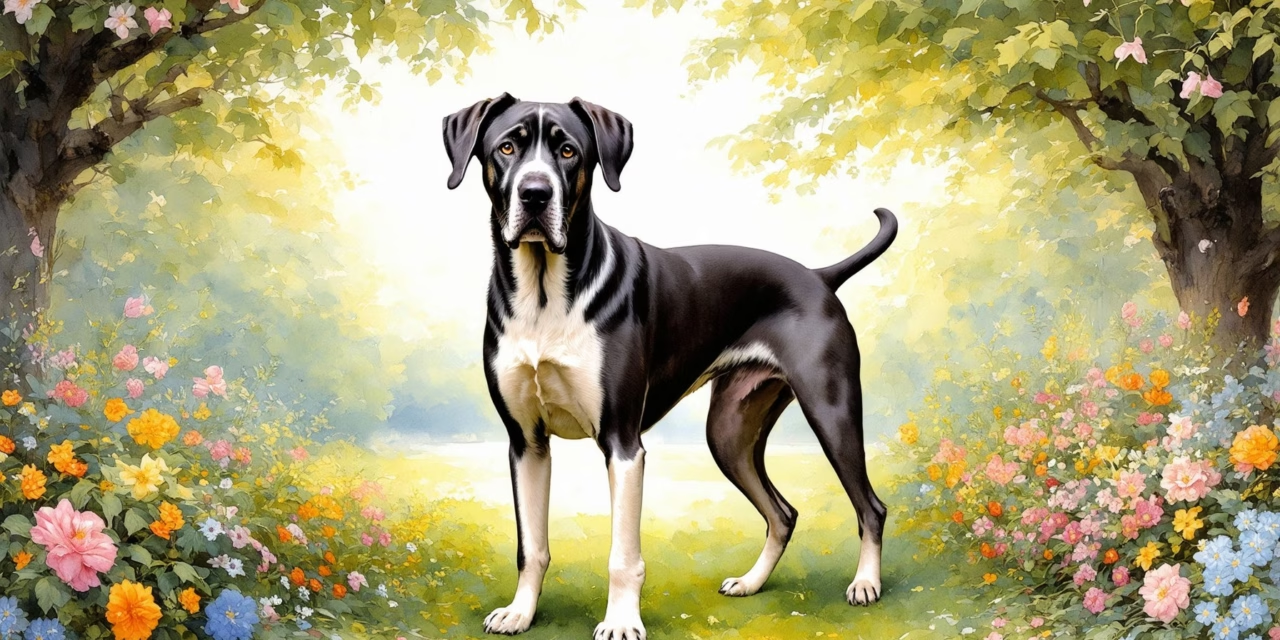
The Great Dane is a breed renowned for its impressive stature and gentle demeanor. These dogs can stand up to 34 inches tall at the shoulder and weigh between 110 to 175 pounds, making them one of the largest dog breeds. Despite their size, Great Danes are often referred to as “gentle giants” due to their friendly and affectionate nature. They possess a short, smooth coat that comes in various colors, including fawn, brindle, blue, and black.
Great Danes are known for their strong, muscular build and elegant appearance. Their large, expressive eyes and long necks contribute to their regal look. This breed is also characterized by its playful and social personality, making them excellent companions for families and individuals alike. They thrive on human interaction and are known to be good with children and other pets when properly socialized.
For more detailed information about the Great Dane’s physical traits, you can visit the AKC Great Dane Breed Profile.
The temperament of Great Danes: What to expect
Great Danes are typically known for their calm and friendly temperament. They are affectionate and loyal, often forming strong bonds with their families. This breed is generally good-natured and patient, making them suitable for households with children. However, their size can be intimidating, so early socialization is crucial to ensure they are well-adjusted and comfortable around various people and environments.
While Great Danes are not aggressive, they can be protective of their home and family. They tend to bark at strangers, but their bark is often more of a warning than a threat. Training and socialization from a young age can help mitigate any unwanted behaviors and promote a well-rounded, sociable dog.
For tips on training and socializing your Great Dane, check out the Dog Training Resources provided by the American Kennel Club.
Understanding the Great Dane Dog: Characteristics and Temperament
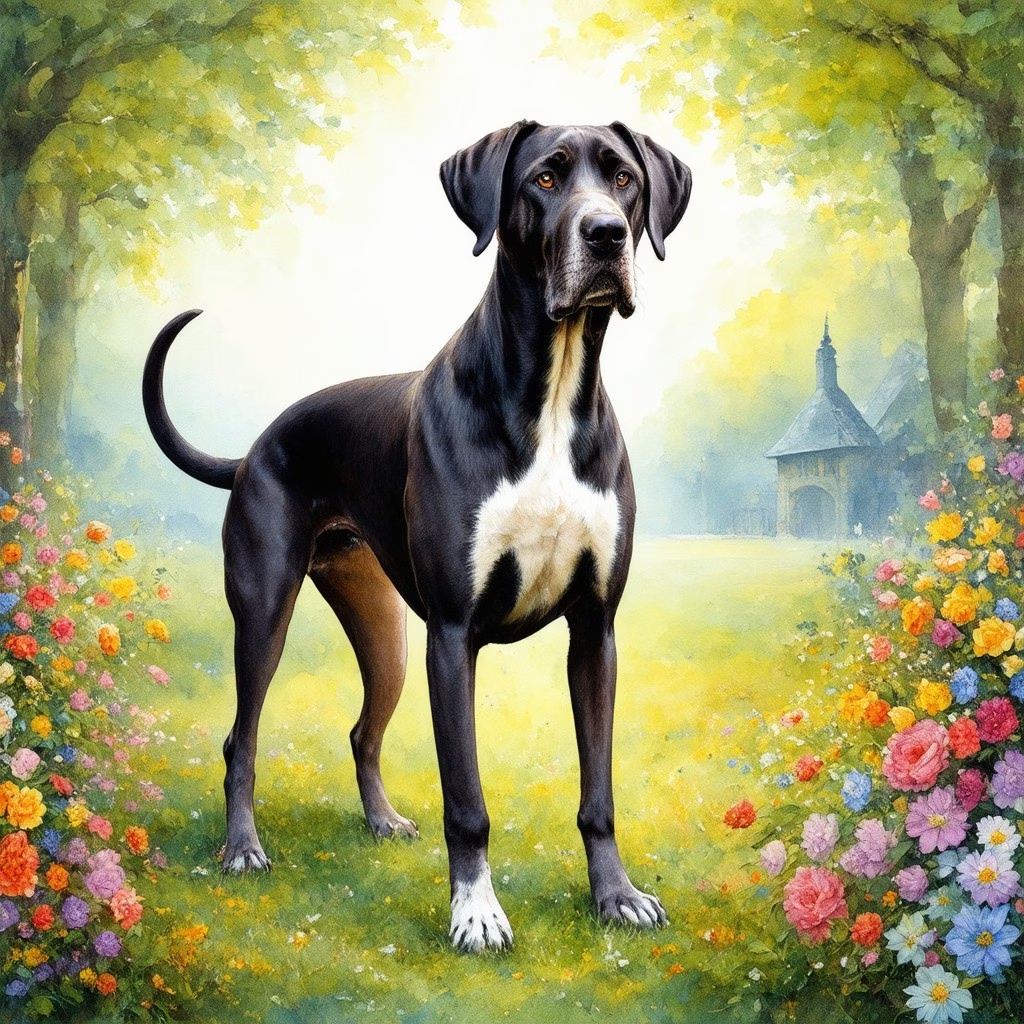
The Great Dane dog is renowned for its impressive stature and gentle demeanor. These majestic dogs are often referred to as “gentle giants” due to their large size combined with a friendly temperament. Understanding the characteristics and temperament of a Great Dane is essential for potential owners to ensure a harmonious relationship.
What are the characteristics of a Great Dane dog?
Great Danes are characterized by their towering height, which can range from 28 to 34 inches at the shoulder. They typically weigh between 110 to 175 pounds, making them one of the largest dog breeds. Their coat is short and smooth, available in a variety of colors including fawn, brindle, blue, and black. Despite their size, Great Danes are known for their graceful movements and strong build.
In addition to their physical traits, Great Danes possess a friendly and affectionate nature. They are known to be good with children and can be quite playful. Their loyalty and protective instincts make them excellent family pets. However, it’s important to note that their size requires proper training and socialization from an early age to ensure they are well-mannered companions.
The temperament of Great Danes: What to expect
The temperament of a Great Dane is generally calm and friendly. They are sociable dogs that thrive on companionship and enjoy being part of family activities. Great Danes are known for their patience and gentleness, making them suitable for families with children or other pets. However, they can also be reserved around strangers, which adds a layer of protection to their friendly nature.
Training and socialization are crucial for Great Danes to develop into well-adjusted adults. Early exposure to various environments, people, and other animals will help them become more confident and less anxious. Their intelligence allows them to learn commands quickly, but consistent training methods are essential to manage their size and strength effectively.
For more information on Great Dane care and training, visit the AKC Great Dane Breed Profile or explore Great Dane Care Tips.
Health Considerations for Great Danes
Understanding the health considerations for Great Danes is crucial for any owner. These majestic dogs, known for their size and gentle temperament, can be prone to specific health issues that require attention. Being proactive about their health can lead to a longer, happier life for your Great Dane.
What health issues are common in Great Dane dogs?
Great Danes are susceptible to several health issues, primarily due to their size. Here are some common health concerns:
- Hip Dysplasia: This genetic condition affects the hip joint and can lead to arthritis and pain.
- Gastric Dilatation-Volvulus (Bloat): A life-threatening condition where the stomach twists, requiring immediate veterinary attention.
- Heart Problems: Great Danes are prone to dilated cardiomyopathy, a serious heart condition that can lead to heart failure.
- Bone Cancer: Osteosarcoma is more common in larger breeds, including Great Danes.
Regular veterinary check-ups and being aware of these conditions can help in early detection and management. For more detailed information on Great Dane health, visit the American Kennel Club’s Great Dane profile.
Preventative care for Great Danes: Vet visits and vaccinations
Preventative care is essential for maintaining your Great Dane’s health. Regular vet visits should be scheduled at least once a year, but more frequent visits may be necessary for older dogs or those with health issues. Key aspects of preventative care include:
- Vaccinations: Ensure your Great Dane is up-to-date on vaccinations to protect against common diseases.
- Regular Check-ups: Routine examinations can help catch potential health issues early.
- Dental Care: Regular dental cleanings and at-home care can prevent dental disease, which is common in larger breeds.
- Parasite Control: Keep your dog protected from fleas, ticks, and worms with appropriate medications.
For more insights on Great Dane care, check out the AKC’s Great Dane Care Tips.
Health Considerations for Great Danes
Understanding the health considerations for Great Danes is crucial for any owner looking to provide the best care for their beloved pet. These gentle giants are prone to specific health issues, and being proactive can significantly enhance their quality of life.
What health issues are common in Great Dane dogs?
Great Danes, while known for their majestic stature and friendly demeanor, are susceptible to several health problems. Here are some common issues to be aware of:
- Hip Dysplasia: A genetic condition where the hip joint doesn’t fit into the hip socket properly, leading to arthritis and pain.
- Gastric Dilatation-Volvulus (Bloat): A life-threatening condition where the stomach fills with gas and twists, requiring immediate veterinary attention.
- Heart Issues: Great Danes are prone to dilated cardiomyopathy, a condition that affects the heart muscle and can lead to heart failure.
- Bone Cancer: Osteosarcoma is more common in larger breeds, including Great Danes, and can be aggressive.
Regular veterinary check-ups and being aware of these potential health issues can help in early detection and treatment, ensuring your Great Dane remains healthy and happy.
Preventative care for Great Danes: Vet visits and vaccinations
Preventative care is essential for maintaining the health of your Great Dane. Here are some key aspects to consider:
- Regular Vet Visits: Schedule annual check-ups to monitor your dog’s health and catch any potential issues early. Your vet can provide tailored advice based on your Great Dane’s age and health status.
- Vaccinations: Ensure your Great Dane is up-to-date on vaccinations to protect against common diseases. Core vaccines include rabies, distemper, and parvovirus.
- Parasite Prevention: Regularly administer flea, tick, and heartworm prevention to keep your Great Dane safe from parasites that can cause serious health issues.
- Dental Care: Dental health is often overlooked but is vital. Regular brushing and dental check-ups can prevent periodontal disease.
By prioritizing preventative care, you can help your Great Dane lead a long, fulfilling life. For more information on Great Dane care, visit the American Kennel Club’s Great Dane Care Tips.
Great Dane Dog Exercise Needs
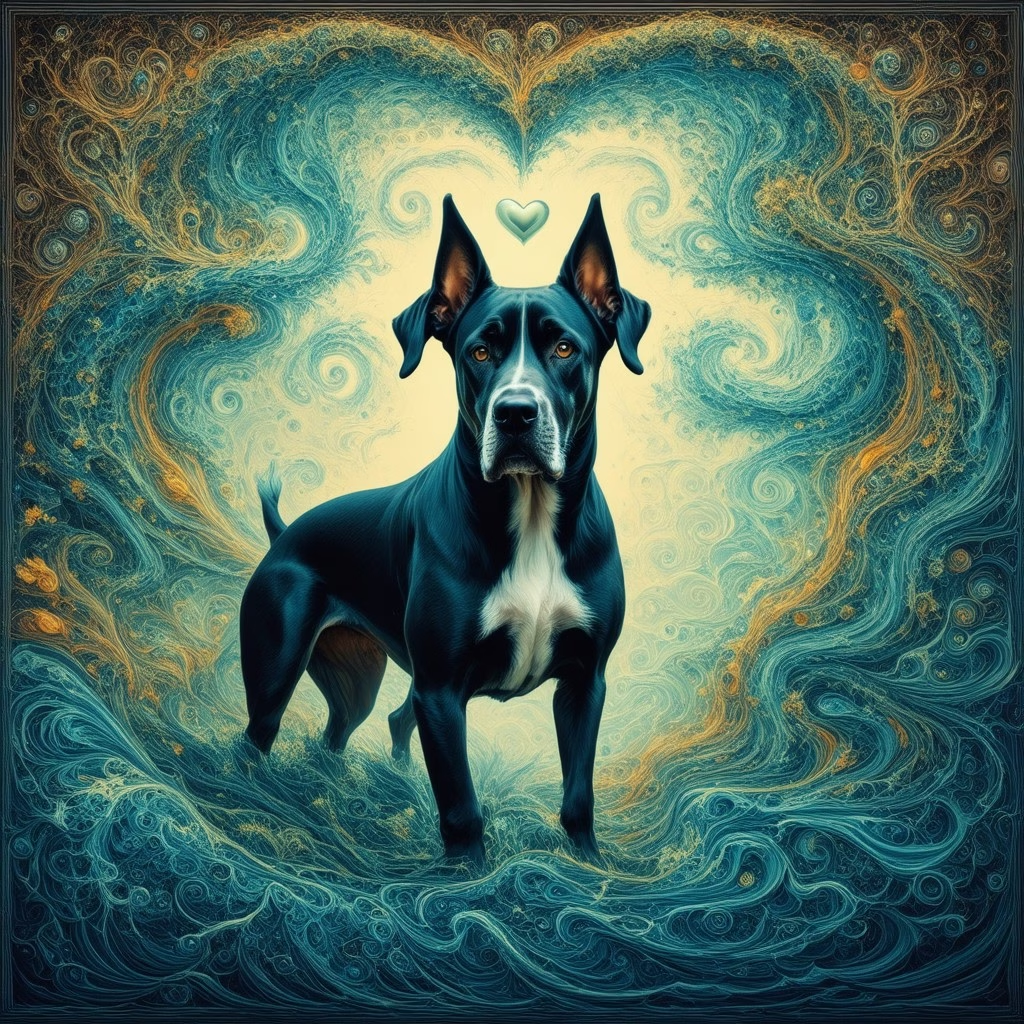
Understanding the exercise needs of a Great Dane dog is crucial for their overall health and well-being. These gentle giants require a balanced routine that caters to their size and energy levels. Regular exercise not only helps maintain a healthy weight but also contributes to their mental stimulation and emotional health.
How much exercise does a Great Dane dog need?
A Great Dane typically needs about 30 to 60 minutes of exercise each day. This can include walks, playtime, and other activities that engage their body and mind. It’s important to note that while they are large dogs, they are not hyperactive. Instead, they enjoy moderate exercise that allows them to stretch their legs without overexerting themselves. Here are some effective ways to ensure your Great Dane gets the right amount of exercise:
- Daily Walks: Aim for at least one long walk each day, ideally in the morning or evening when temperatures are cooler.
- Playtime: Engage in interactive play sessions with toys that encourage movement, such as fetch or tug-of-war.
- Socialization: Allow your Great Dane to interact with other dogs in a safe environment, which can provide both exercise and social benefits.
- Swimming: If available, swimming is an excellent low-impact exercise that is easy on their joints.
Fun activities to keep your Great Dane active
Keeping your Great Dane engaged and active can be a fun experience for both of you. Here are some enjoyable activities that cater to their needs:
- Obstacle Courses: Set up a simple obstacle course in your backyard to challenge their agility and intelligence.
- Hiking: Take your Great Dane on hikes to explore new environments while getting ample exercise.
- Dog Sports: Consider enrolling them in dog sports like agility or obedience training, which can be both stimulating and rewarding.
- Interactive Toys: Invest in puzzle toys that require problem-solving, keeping their minds sharp while they play.
By incorporating these activities into your Great Dane’s routine, you can ensure they remain healthy, happy, and well-exercised. For more tips on caring for your Great Dane, check out the Great Dane Care Tips from the American Kennel Club.
Living with a Great Dane Dog
Owning a Great Dane dog is a unique experience that combines joy, companionship, and a few challenges. These gentle giants are known for their affectionate nature and loyalty, making them wonderful family pets. However, their size and specific needs require careful consideration when integrating them into your home.
What is it like to live with a Great Dane dog?
Living with a Great Dane dog means embracing a lifestyle that accommodates their large stature and energetic personality. Here are some key aspects to consider:
- Space Requirements: Great Danes thrive in spacious environments. Ideally, they should have access to a large yard where they can run and play. However, they can adapt to apartment living if they receive ample exercise and mental stimulation.
- Affectionate Companions: Great Danes are known for their loving nature. They often form strong bonds with their families and enjoy being part of daily activities. Expect them to follow you around the house and seek your attention.
- Training and Socialization: Early training and socialization are crucial for Great Danes. Their size can be intimidating, so teaching them proper behavior around people and other pets is essential. Positive reinforcement techniques work best.
- Health Considerations: Due to their size, Great Danes are prone to certain health issues, including hip dysplasia and bloat. Regular vet check-ups and a healthy diet are vital for their well-being.
Space requirements for Great Danes: Is your home suitable?
Before bringing a Great Dane into your home, assess your living space to ensure it meets their needs:
- Indoor Space: Great Danes require enough room to move comfortably. Ensure your home has open areas where they can stretch out and relax without feeling cramped.
- Outdoor Space: A secure, fenced yard is ideal for a Great Dane. They enjoy outdoor activities, and having a safe space to play is essential for their physical and mental health.
- Accessibility: Consider the layout of your home. Stairs can be challenging for older Great Danes or those with joint issues. Providing easy access to all areas of your home is important.
For more information on Great Dane care and living arrangements, visit the American Kennel Club’s Great Dane Care Tips.
Great Dane Dog Adoption and Rescue
Where can you adopt a Great Dane dog?
Adopting a Great Dane dog can be a rewarding experience, and there are several avenues to explore. Local animal shelters and rescue organizations often have Great Danes available for adoption. Websites like Petfinder and Adopt-a-Pet allow you to search for Great Danes in your area. Additionally, breed-specific rescues, such as the Great Dane Club of America, provide resources and listings for available dogs. Always ensure that the organization is reputable and that they prioritize the health and well-being of their animals.
The importance of rescue organizations for Great Danes
Rescue organizations play a crucial role in the welfare of Great Danes. They not only provide a safe haven for abandoned or neglected dogs but also facilitate the adoption process by matching dogs with suitable families. These organizations often conduct thorough assessments of the dogs’ health and temperament, ensuring that potential adopters are well-informed. Supporting these rescues through donations or volunteering can significantly impact the lives of many Great Danes in need. For more information on Great Dane rescue efforts, you can visit the [American Kennel Club](https://www.akc.org/) or check out local rescue groups dedicated to this majestic breed.